Guides
F@#$ Sake – A Toddler’s New Favourite Word
When my toddler first swore, I laughed—but quickly realized it was a parenting challenge in the making. After trial and error, I discovered that validating his emotions while guiding him to express frustration appropriately worked best. Along the way, I learned that consistency between parents is key.
The first time my nephew dropped the “f-bomb,” I was in stitches. Truly. This mini, chubby-cheeked version of my younger brother spouting expletives was the kind of funny that leaves you clutching your sides with tears rolling down your cheeks. My brother thought it was less amusing and promptly told me the age-old adage: “Just you wait.” I hadn’t thought about that moment in years. My eldest child is now nearly three, and I naively didn’t even consider how I’d handle a similar situation. Until now.
Recently, my husband let his swear-word catchphrase slip when he trod on a stray Duplo brick. It was loud, proud, and accompanied by many exasperated sighs. I raised my eyebrows and shot him the dirtiest look I could muster, silently indicating: “Toddler. In. The. Room.” My son, however, paid no attention. He continued his never-ending bike tour of the kitchen, singing his unique version of the Postman Pat theme song.
Then—bang. He cannoned into the bar stool, stopped dead in his tracks, and announced, very clearly and deliberately: “F@#$ sake.” My husband guffawed. I quickly turned my back, trying not to laugh.
A once-off, surely.
That evening, I did a quick online browse on swearing, added a few parenting books to my Takealot cart, and left it at that. Several weeks later, my son was happily watching an episode of the delightfully parent-friendly Bluey. I told him we needed to get ready to go out. “Choose a pair of shoes and a snack for the road, please,” I said. Both requests were ignored as he sang along to the theme song of a new episode.
Impatient, I grabbed the remote, switched off the TV, and encouraged him again to choose some shoes. My adorable, butter-wouldn’t-melt child crossed his arms, shot me a mulish look, and muttered: “F@#$ sake.” Then he plonked his bottom on the couch. It dawned on me that I should probably read those books I’d optimistically bought after the Duplo incident. As it turns out, the neuroscience behind swearing is fascinating. Apparently, a swear word often comes from a big feeling—most likely annoyance or frustration.
The books outlined two main approaches:
- Ignore the word completely to remove its power.
- Acknowledge the big feeling and guide your child toward other ways to express it.
I started with ignoring the word, figuring he’d get bored and move on. It didn’t work. My husband’s catchphrase returned to haunt me many, many times over the following weeks. So I moved on to strategy number two. Whenever he swore, I acknowledged the feeling and gently reminded him:
“That’s not a nice word. We don’t use it when we feel like this. Let’s work out our feelings another way.”
To my surprise, he agreed. We vented his frustration with a vigorous 15 minutes on the trampoline, and peace was restored. Pleased with myself, I shared my success over a glass of wine with my husband. He, in turn, shared his approach.
Which was… ignoring the word and removing its power.
We’d been using the exact opposite strategies at different times—probably undoing any progress either of us had made. Note to self: discuss strategies with spouse prior to actually trying to use them. So, after a month of holding in my laughter, reasoning with the unreasonable, and tearing out handfuls of my own hair…
My Takealot cart now holds 3 new books about communication, an unnecessarily large assortment of Sauvignon Blancs and I still have a swearing toddler.
F@#$ sake.
Takealot purchases:





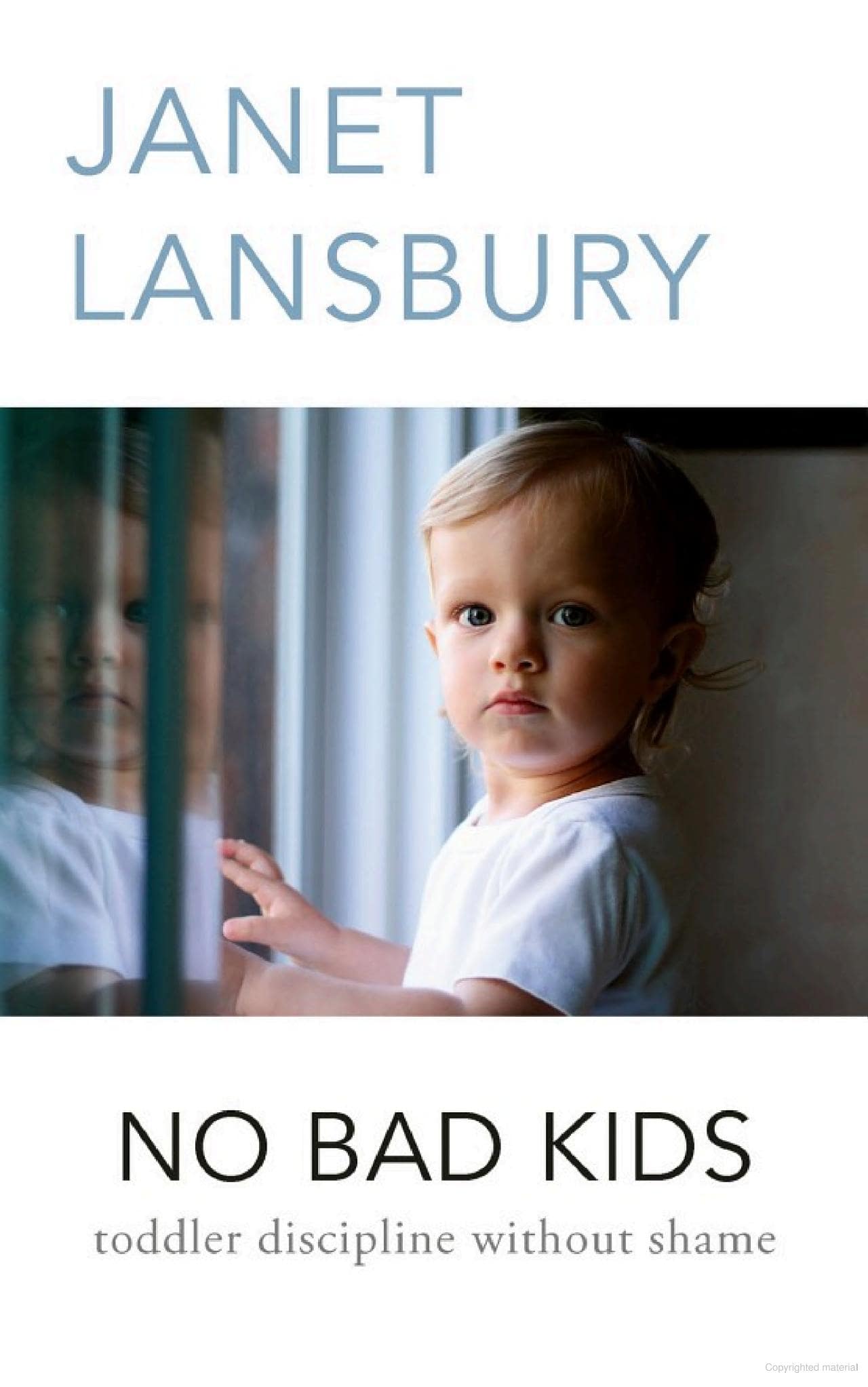
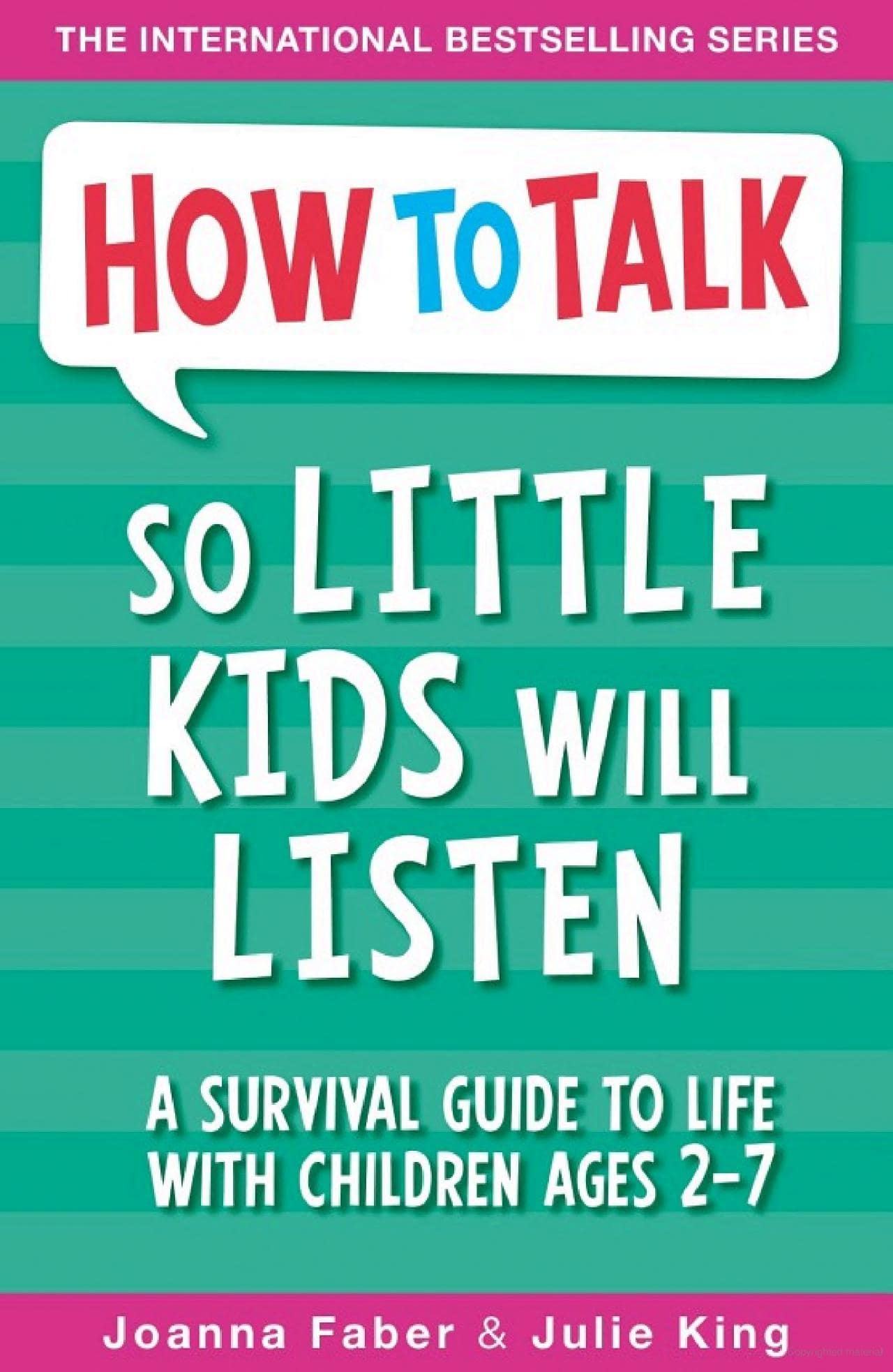
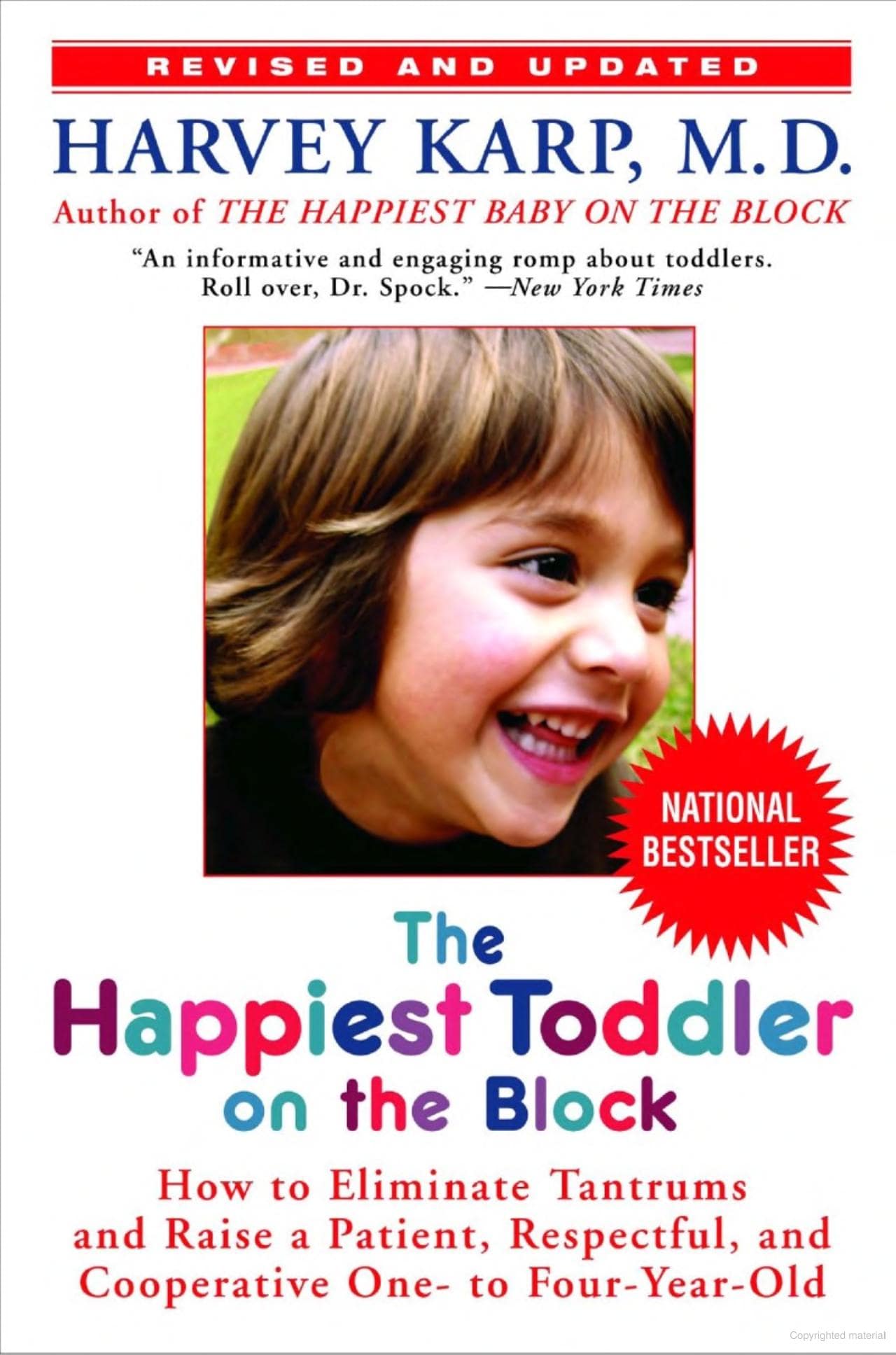
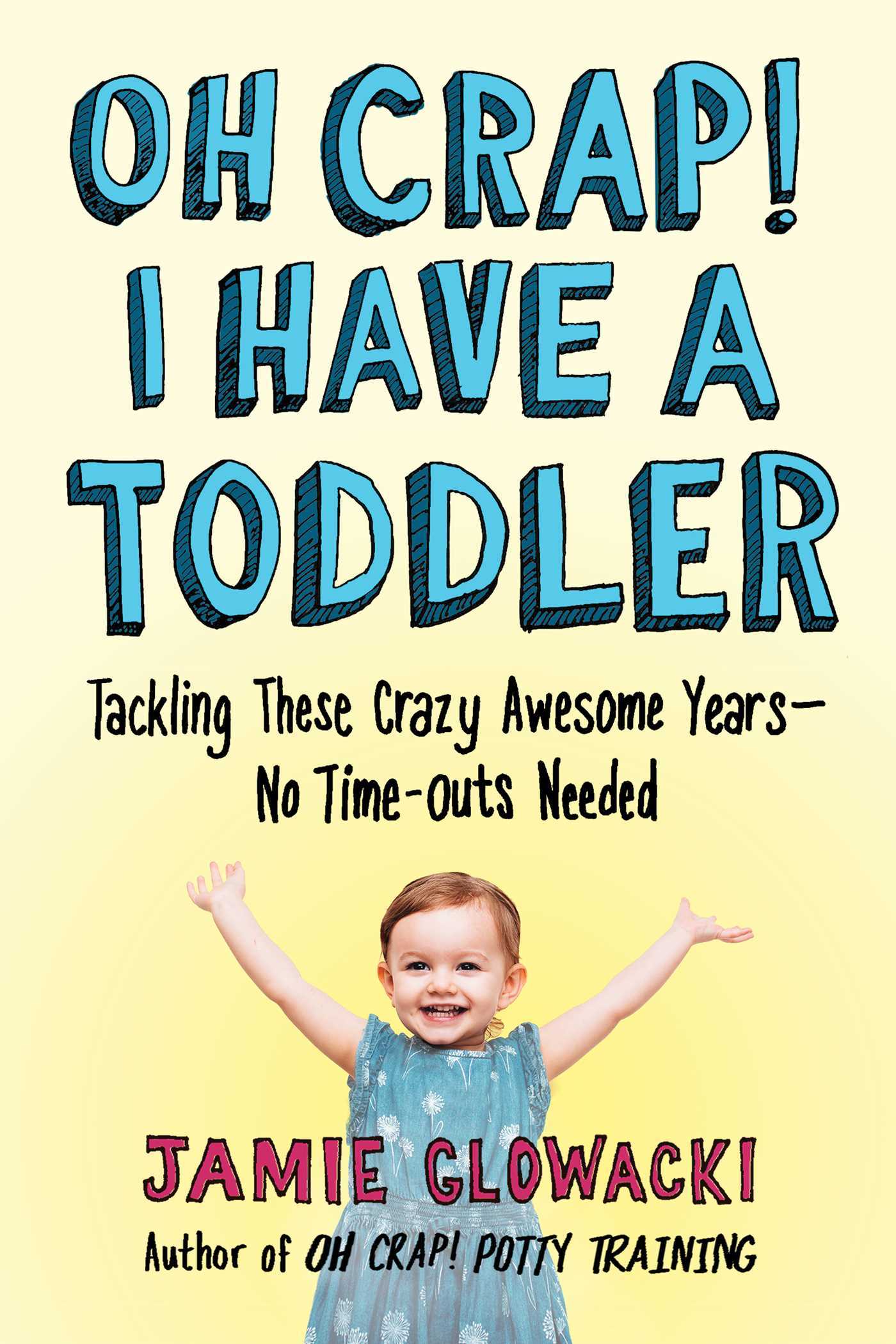
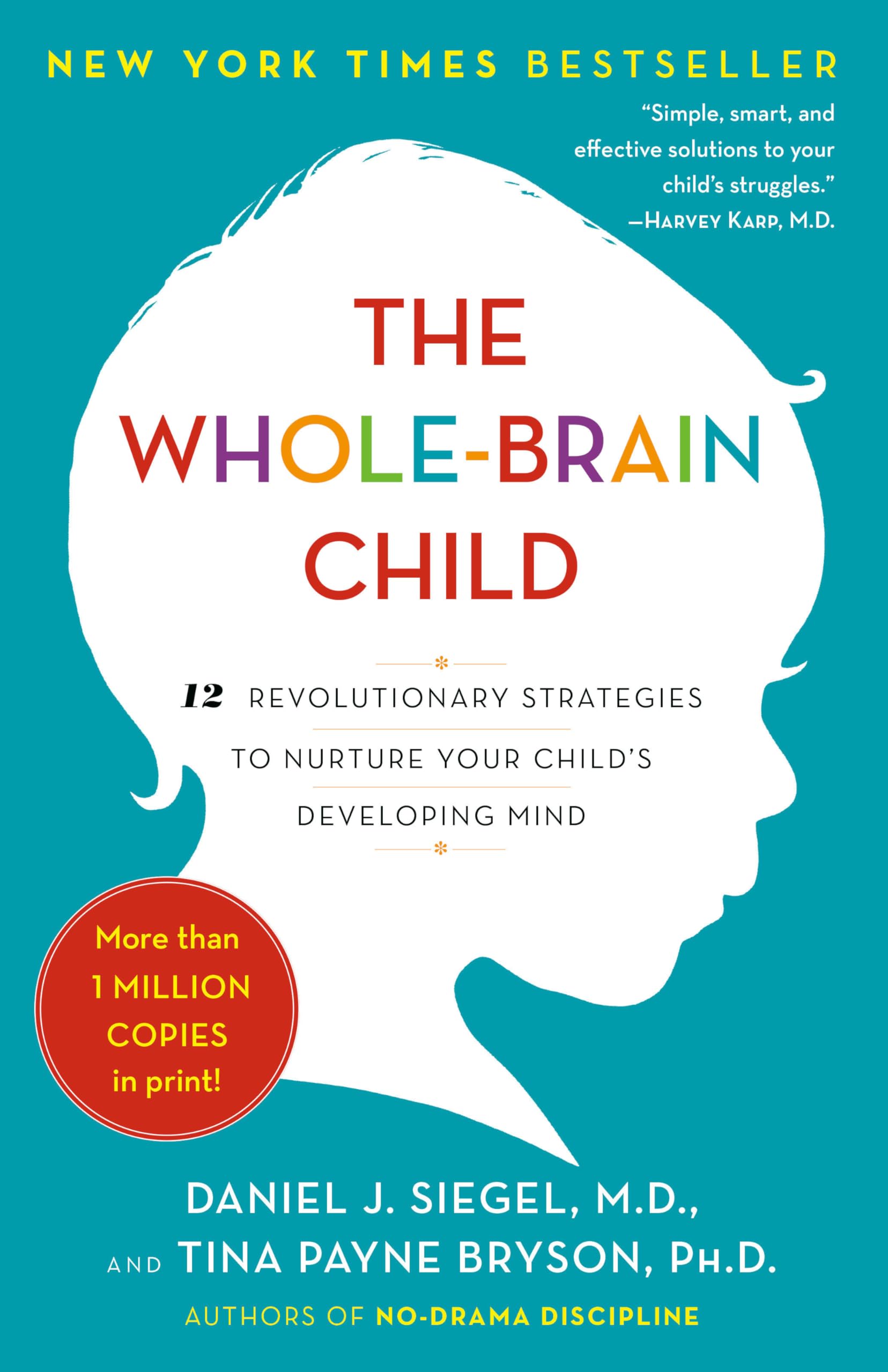

.png)