Guides
Toddler Running Shoes: A Podiatrist’s Guide to Healthy Little Feet
Healthy foot development starts with barefoot play to build strength and balance. Babies need soft, flexible booties or socks, while toddlers benefit from lightweight, bendable shoes that fit securely. Keep feet moisturised to prevent dryness, and see a podiatrist if walking seems off. Barefoot time, flexible shoes, and proper fit are key to healthy, happy little feet.
Keywords: toddler running shoes South Africa, best shoes for toddlers learning to walk, baby foot development, first walking shoes, kids footwear tips
"I have such terrific toes.
I take them with me wherever I goes.
I have such fantastic feet.
No matter what, they still smell sweet."
Little Feet, Big Development
Little feet and toes are just born cute. At birth, a baby’s feet are mostly made of cartilage. Through a natural process called ossification, these soft structures gradually turn into bone. The transition to bone occurs at different ages, for each individual and for different bones in our feet.
Most toddlers appear to have flat feet because of a natural fatty pad that cushions the top and inside of the foot. As your child starts standing, walking, running, and climbing, their arches begin to form. The best way to support this development? Let them be barefoot, exposed to many surfaces while walking, climbing, running and jumping - grass, sand, soil, or other natural surfaces. This will strengthen muscles and improve sensory awareness.
Babies: Keep It Simple and Gentle
When it comes to baby footwear, comfort and flexibility are key.
- Socks, booties, and babygrows should fit loosely, allowing toes to move freely.
- Avoid tight clothing that causes the toes to curl in.
- Always leave a little space at the end of the babygrow for stretched-out legs.
- Trim nails regularly to avoid the nails cutting into the adjacent toes and prevent discomfort in socks and babygrows.
Crawling Stage: Barefoot Beats Bulky
Crawling might look rough on tiny toes, but it’s essential for motor and sensory development. Avoid shoes during this stage unless protection is needed. Take care with socks as it might cause them to slip.
If feet must be covered, consider soft leather baby shoes - like those from locally made, well-known brands such as Shooshoos. You can also sometimes find options at Woolworths. They’re lightweight, flexible, and protective - without restricting natural movement.
First Steps: Choosing the Right Shoes for your Toddler
Every child reaches walking milestones at their own pace. If your child is a few weeks behind, don’t panic. If you’re concerned, consult your pediatrician or an occupational Therapist or podiatrist specializing in littles.
Here again, barefoot is best but if shoes are required, refer to the guide below:
When choosing toddler shoes:
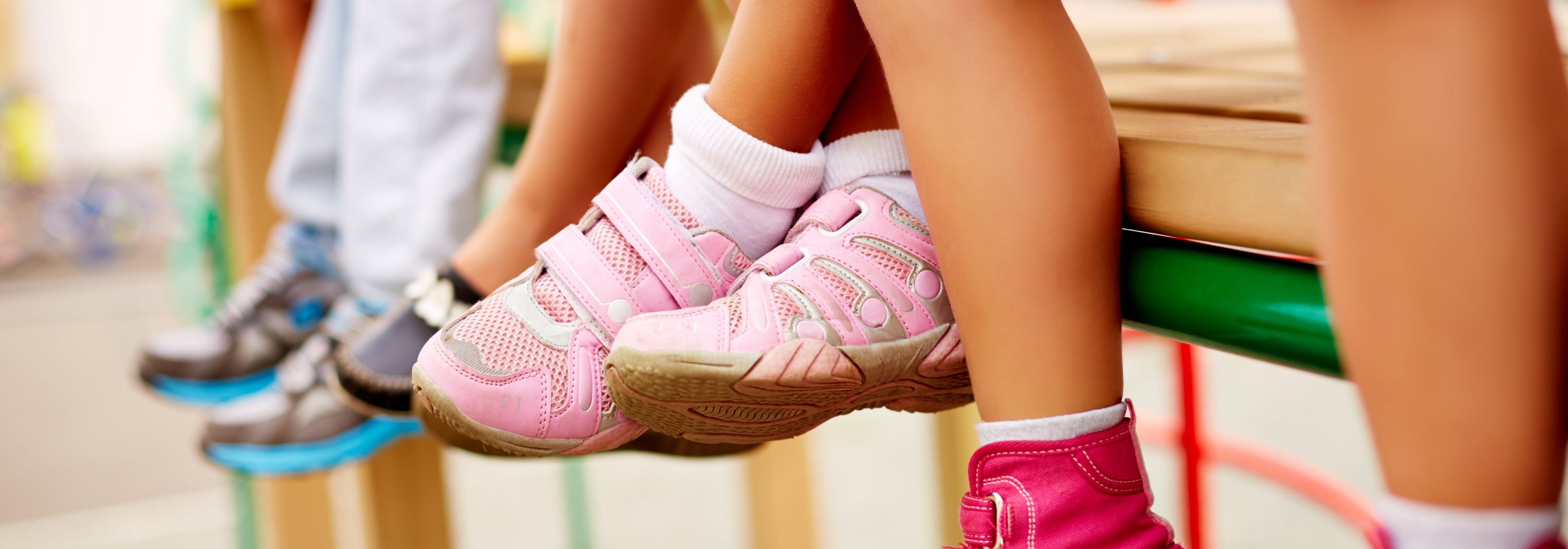
- The shoe needs to take on the shape of the feet.
- The shoe needs to be flexible over the ball of the feet.
- Look for a secure fit around the foot so that the foot & shoe can function as a unit.
- Adjustable uppers allow for a more customised fit (a Velcro strap is a good idea).
- They should be lightweight
- They need to have a supportive area around the heel.
- Barefoot remains best whenever safe and practical.
Tip: Woolworths Walkmates are a great option for little feet.
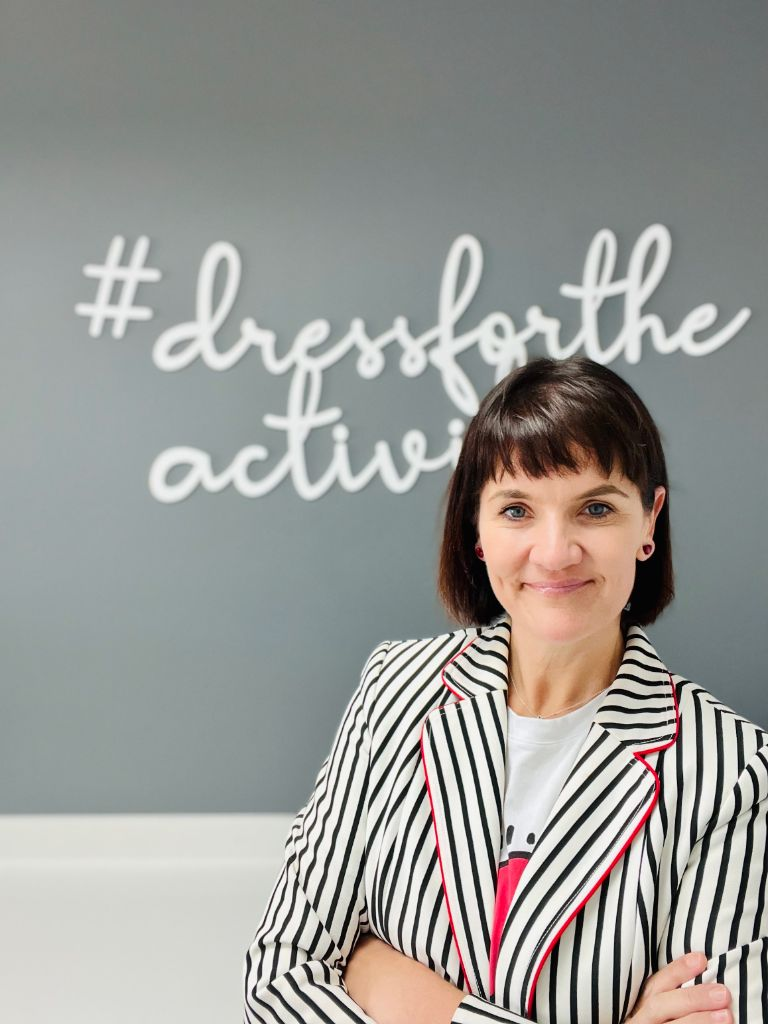
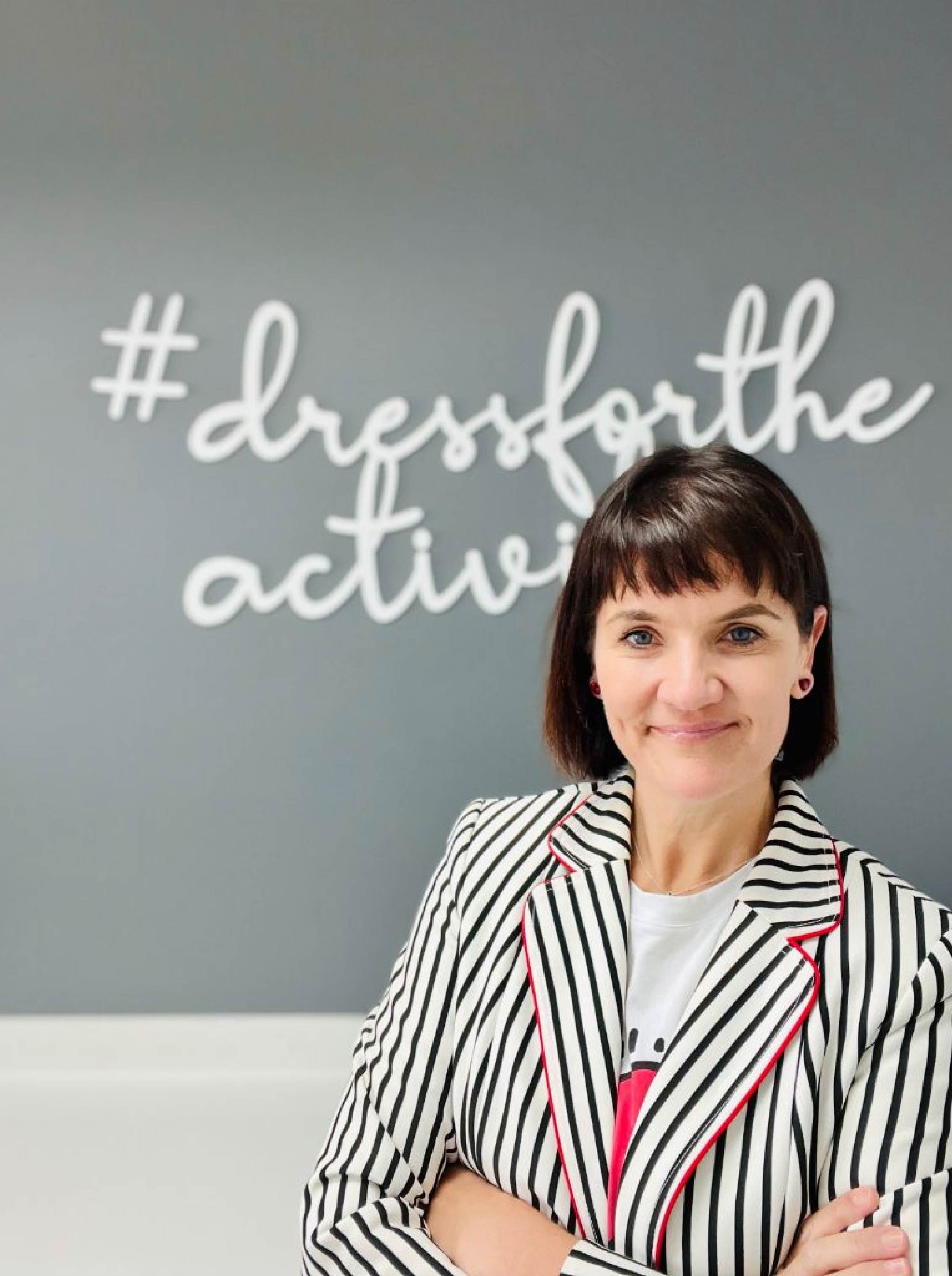
About Nelfrie Kemp
Nelfrie Kemp is a highly experienced podiatrist known for her holistic approach to foot and movement health. With patients traveling from across South Africa to see her, Nelfrie focuses on understanding how the body moves, identifying the root causes behind discomfort or restricted mobility. Her special interests include biomechanics and the management of ingrown toenails. She often collaborates with other medical professionals, following a holistic approach, taking the entire body into consideration to get well-rounded, lasting results for her patients.
Follow Nelfrie Kemp on social media for expert insights, foot health tips, and behind-the-scenes glimpses from her practice.
Dry or Cracked Skin in Kids
Barefoot play can sometimes lead to painful dry or cracked skin, especially on heels or toes.
- Apply a gentle moisturising cream daily after baths.
- Use socks for a short while afterward to lock in moisture.
- If cracks persist, or if the skin appears inflamed, seek advice from your podiatrist to rule out conditions like eczema or fungal infections.
What to look for in a foot cream for toddlers: all the below correct
- Gentle formulation (fragrance-free or low fragrance)
- Moisturisers & humectants (e.g. glycerin, urea in low concentration)
- Emollients / occlusives (e.g. shea butter, ceramides, petrolatum)
- Safe for delicate skin / infants (avoid harsh acids or strong exfoliants)
- From a reputable brand with good safety record
Two brands we recommend:
- Epi-Max Plus Foot Cream - a classic pharmacy foot cream, good for dry feet.
- Medipod Foot Repair Cream - Cooling, refreshing foot cream developed by a Podiatrist -
Click here to read more
Shoe Shopping Tips for Toddlers
Shopping for kids’ shoes can be stressful - for both parents and toddlers!
Try this instead:
- Buy two or three pairs that seem right in size and style.
- Test them at home when your child is calm and has clean feet.
- Let them walk around indoors to see how the shoe moves with their foot.
- Return the pairs that don’t fit perfectly.
Avoid the store rush - toddlers often choose the most colourful pair, not the one that fits best! At home you can watch them walk, undistracted, and make sure it’s the correct fit.
When to Seek Professional Advice
You might want to consult a podiatrist if you notice:
- A change in walking or crawling ability (their mobility).
- Frequent tripping or falling beyond normal toddler clumsiness.
- Reluctance to step over something, climbing, or jumping.
- If your child starts refusing to walk or crawl and prefers to be picked up instead.
- One foot turning in or out noticeably.
- If others, such as grandparents, raise concerns about your child’s crawling or walking, take note but don’t be overly sensitive. It’s natural for loved ones to notice things, but trust your instincts and use your discretion before worrying or acting on every comment.
Trust your instincts - but also your child’s behaviour. If they seem uncomfortable walking, it’s worth checking.
Top 5 Tips for Buying Children’s Shoes
- Lightweight: Heavy shoes tire little legs quickly.
- Flexible: The sole should bend at the ball of the foot.
- Proper Fit: Allow room for width, length, and the top of the foot (instep).
- Adjustable: Straps or laces help secure the fit.
- Functional Fit: The shoe and foot should move as one; your child shouldn’t have to “grip” the shoe to keep it on.
Healthy feet start with freedom to move. Encourage barefoot play, choose flexible footwear when needed, and keep an eye on your child’s walking milestones. The right shoes won’t just protect their feet, they’ll support every step of their development.




.png)