Toy rotation is a simple, budget-friendly way to reduce clutter, support calmer play, and help toddlers focus and play more deeply. By offering fewer toys at a time and rotating them regularly, children feel renewed interest while parents enjoy less mess, less overwhelm, and a calmer home.
Less Chaos. More Focus. Calmer Kids. Happier Moms.
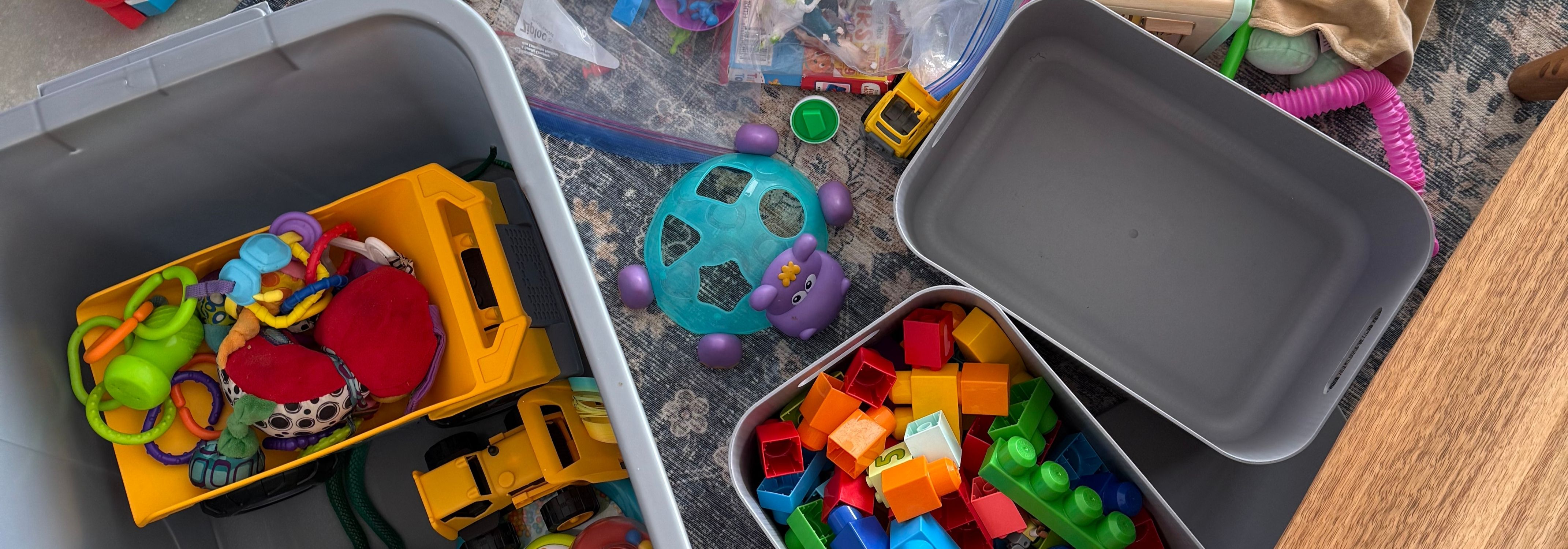
If your living room feels like a toy store explosion by mid-morning and your toddler flits from one toy to the next without really playing, you’re not alone. Many moms feel overwhelmed by clutter and guilty for feeling overstimulated by the very toys meant to support their child.
Enter toy rotation, a simple, budget-friendly practice that’s quietly transforming homes, playrooms, and mama minds around the world.
And no, it doesn’t mean buying more toys. It means using what you already have… better.
What Is Toy Rotation?
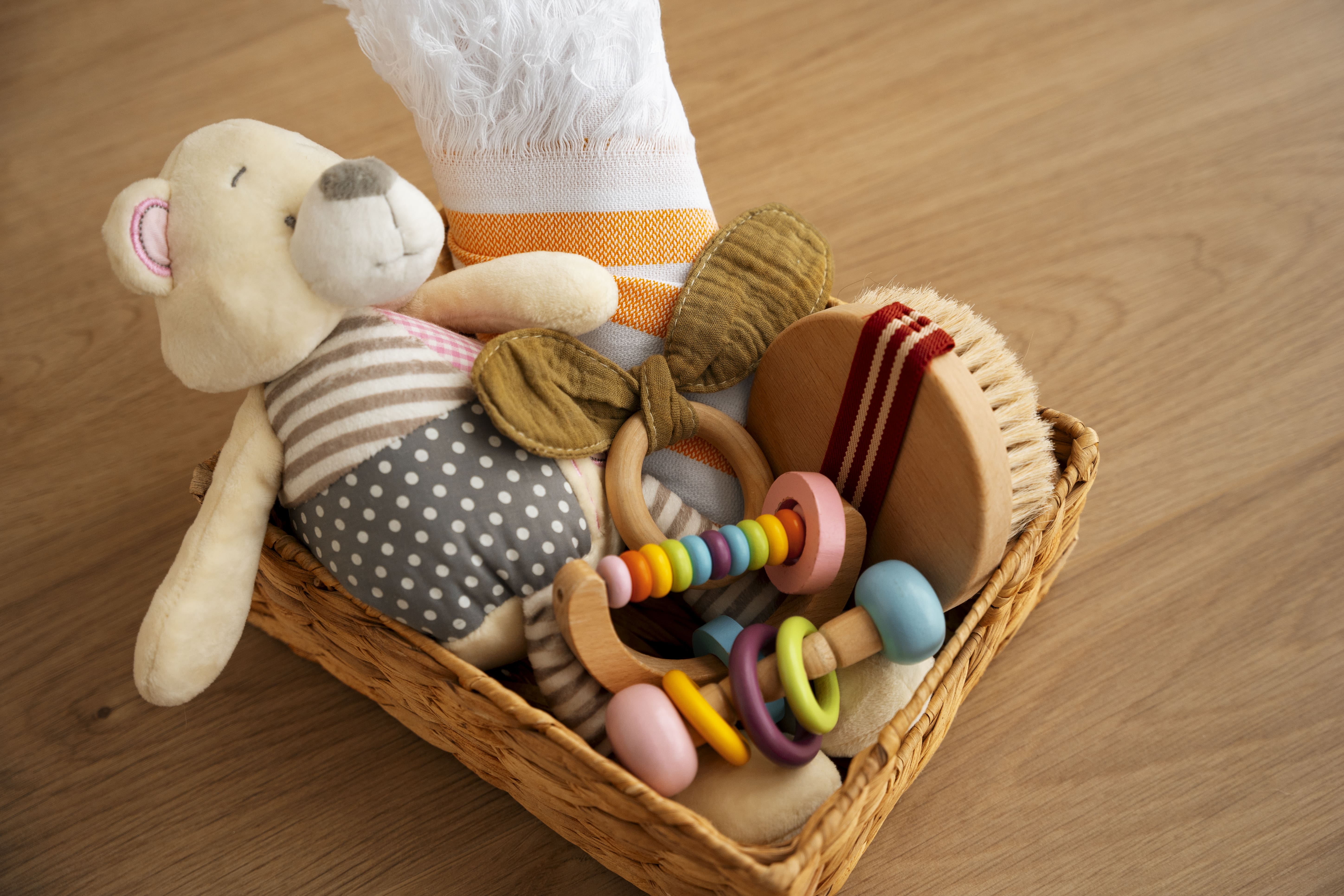
Toy rotation is the practice of offering your child a limited number of toys at a time, while storing the rest out of sight. Every few weeks, you “rotate” some toys out and bring others back in.
To your toddler, it feels like brand-new toys. To you, it feels like you can breathe again.
The Stats Behind the Calm
Here’s why this works so well:
A study found that toddlers given fewer toys (4 instead of 16) played for twice as long and showed deeper focus and creativity.
Over 70% of parents report feeling overstimulated by toy clutter in their homes.
Children exposed to too many choices at once often experience decision fatigue, leading to shorter attention spans and dysregulated behaviour.
Less really is more.
Why Toy Rotation Helps Toddlers
Improves focus and attention With fewer options, toddlers engage more deeply with what’s in front of them.
Boosts creativity When there isn’t a new toy every minute, children start using objects in imaginative ways.
Reduces overwhelm and meltdowns Too many choices can cause agitation, frustration, and emotional overload.
Builds independent play skills Toddlers learn to initiate and sustain play on their own.
Supports better behaviour Calmer play = calmer nervous systems.
Why Toy Rotation Is a Gift for Moms
Less mess, less visual stress A calmer space creates a calmer mind.
Easier clean-up Fewer toys = faster tidy time.
You stop feeling guilty You realise your child doesn’t need more—they need intention.
You save money Rotation reduces impulse toy buying because “newness” is built into your system.
You feel back in control of your space Your home starts working for you again.
No items found.
How to Start Toy Rotation
You don’t need fancy storage systems or labelled Pinterest shelves. Here’s the Raising & Rising real-life version:
1. Gather All the Toys
Yes, all of them. Lounge, bedroom, kitchen drawer, nappy bag.
2. Create 3 Simple Categories
Everyday toys – what stays out now
Rotation toys – to store away
Donate or store permanently – outgrown or unused
3. Choose 6–10 Toys to Keep Out
Include a mix of:
One sensory toy
One puzzle or fine motor activity
One imaginative toy
One movement-based toy
One book or language-based toy
4. Store the Rest Out of Sight
Cupboard, container, garage—out of view is the key.
5. Rotate Every 2–4 Weeks
Or sooner if boredom sets in. Follow your child’s cues.
Toy Rotation by Age (Quick Guide)
12–24 months:
Stacking cups
Shape sorter
Large puzzle
Musical toy
Soft dolls or animals
2–3 years:
Pretend food
Simple construction toys
Vehicles
Threading or posting toys
Board games
Gentle Tips for Making It Work Long-Term
You don’t need perfection, consistency wins
Rotate before boredom turns into behaviour
Keep one comfort or favourite toy always available
Involve your toddler in choosing what comes out – I love this but to be honest I also love him coming home from preschool and saying WOW to everything because it feels like new toys have appeared at home while he’s been away – every child is different, follow your gut on this one!
Don’t rotate everything at once, small changes feel magical
A Note for the Overwhelmed Mom
Toy rotation isn’t just about your child’s development. It’s also about your nervous system.
When your space is calmer:
You feel less overstimulated
You become more patient
You enjoy playtime again
You stop feeling “behind” or like you’re failing
And that matters just as much as your child’s milestones.
Toy rotation isn’t another thing to add to your endless to-do list. It’s actually a way to take something off - off your floor, off your mental load, and off your sense of pressure to “do more.”
Sometimes the biggest shift in motherhood comes from choosing… less.
No items found.
No items found.
Stay on the rise
Get empowering insights, tips, and tools in your inbox each month. No spam, just support.
Thank you! Your submission has been received!
Oops! Something went wrong while submitting the form.






.png)